Beach vacations create some of the best summer memories — building sandcastles, jumping through waves, and spending long days by the water. But beaches, lakes, and rivers come with unique risks that are very different from a backyard pool. And family vacations often bring busy schedules, new environments, and relaxed routines that can increase the risk of water-related accidents.
That’s why reviewing beach safety rules and preparing ahead of time is one of the most important things families can do before heading to the water. A few simple precautions can help prevent emergencies and keep the focus on making fun summer memories together.
10 Beach Safety Rules
1. Always Designate a Water Watcher
One of the biggest mistakes families make at the beach is assuming someone else is watching the kids. Assign one adult at a time to actively supervise children in or near the water. This person should avoid distractions like phones, books, conversations, or alcohol. Young children and inexperienced swimmers should always stay within arm’s reach of an adult.
2. Swim Near a Lifeguard Whenever Possible
Choose beaches with lifeguards on duty whenever available. Lifeguards are trained to recognize dangerous conditions like rip currents, sudden drop-offs, and unsafe swimming areas. Swimming near a lifeguard adds an important layer of protection for the entire family.
3. Use Coast Guard-Approved Life Jackets
Water wings, inflatable floaties, and pool toys are not safety devices. Children should wear properly fitted U.S. Coast Guard-approved life jackets when boating, swimming in open water, or playing near docks and deep water.
4. Teach Kids About Rip Currents and Waves
Ocean conditions can change quickly, even on calm-looking days. Make sure children know the following:
• Never turn their backs on the ocean
• Waves can knock them down unexpectedly
• To stay calm if caught in a current
• To swim parallel to shore if trapped in a rip current
Strong waves and currents can overpower even confident swimmers, which is why ocean safety tips should be reviewed before every beach trip.
5. Stay Close in Open Water
Lakes and oceans are very different from swimming pools. Murky water, sudden depth changes, weeds, rocks, and currents can create unexpected dangers. Keep children close, even if the water appears shallow or calm.
6. Know the Beach Conditions Before Swimming
Before entering the water, take a few minutes to check weather conditions, pay attention to warning flags, and learn about local currents or tides. It’s also a good idea to ask lifeguards about potential hazards in the area, especially if you’re visiting an unfamiliar beach or lake.
Conditions can change quickly due to weather, wind, or boat traffic, so following local beach safety rules can help families avoid dangerous situations before they happen.
7. Avoid Exhaustion and Dehydration
Long beach days can quickly wear kids out, especially in the heat and sun. Make time throughout the day for water, snacks, shade, and rest to help children stay energized and alert. Fatigue and dehydration can affect swimming ability, reduce awareness, and increase the risk of accidents in and around the water.
8. Enter Unknown Water Feet First
Never dive into unfamiliar water. Hidden rocks, shallow sandbars, or sudden drop-offs can lead to serious injuries. Teach children to enter lakes, rivers, and ocean water feet first until they fully understand the area.
9. Establish Clear Beach Safety Rules
Before heading to the beach, review beach safety rules with your children.
Rules may include:
• Always ask permission before entering the water
• Stay where adults can see you
• No rough housing near the water
• No swimming alone
• Return to shore immediately when called
Simple, consistent beach safety rules help children make safer decisions around water.
10. Build Water Competency Before Vacation
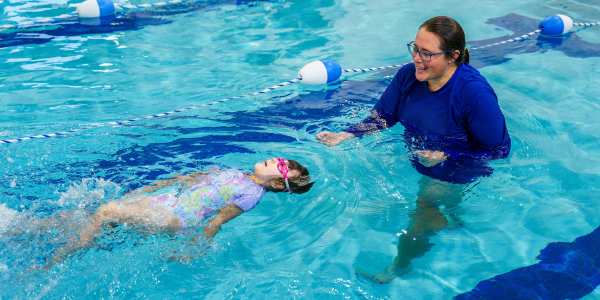
Before heading to the beach, lake, or ocean this summer, swim lessons can help children feel more confident and prepared around open water environments. At Miller, swimmers build important water safety and swimming skills through a structured curriculum designed for all ages and abilities.
While no child is ever “drown-proof,” learning foundational swim skills and practicing water competency can provide an important layer of protection during family beach vacations and other open water activities.
Make Water Safety Part of Every Beach Trip
Beach days should be fun, relaxing, and memorable — and preparation helps make that possible.
Following these beach safety tips ensures your family can relax and make memories without worry.
Get the complete beach safety checklist from our partners at the National Drowning Prevention Alliance to help your family prepare for safer, more confident days at the beach, lake, or ocean.
Safer Vacations Start with Swim Lessons
Enroll in swim lessons now and give your kids the skills they need to stay safer in and around water—on vacation and all year long.